Guide to Purchasing Food Safety Testers: One Device for Multiple Testing Scenarios
As the government continues to tighten food safety regulations—from the ongoing refinement of the Food Safety Law to the State Administration for Market Regulation’s requirements for targeted spot checks in high-risk areas such as school cafeterias and central kitchens—the food processing and catering industries are facing unprecedented compliance pressures. For integrated food processing plants, restaurant chains, and school cafeterias, pesticide residues, veterinary drug residues, excessive heavy metals, and the misuse of additives in raw materials are major pain points in daily operations. Should a safety incident occur, companies not only face hefty fines but also suffer severe damage to their brand reputation.
Against this backdrop, the ability to conduct rapid and accurate self-inspection of raw materials has become an urgent necessity for businesses. Faced with the overwhelming variety of testing equipment available on the market, procurement staff often find themselves in a difficult position, unsure of how to select the right model.
This article will take a practical approach to deeply analyze the selection logic behind today’s mainstream equipment, helping you find the “food safety guardian” that best suits your needs.
Lainder: Dedicated to Intelligent Testing and Comprehensive Customization
Among numerous brands, Lainder is highly favored by large food processing plants and corporate canteens due to its robust data management capabilities and flexible customization services. Its devices are typically equipped with high-performance processors, offering fast detection speeds, one-click data upload, and traceability capabilities.
Core Advantages
Lainder’s core strengths lie in its robust data connectivity and intelligent operating system. The instruments feature multi-core processors and an Android-based smart system, supporting not only Wi-Fi and 4G connections but also Ethernet connections, enabling real-time upload of test results to regulatory platforms. It features self-diagnostic and automatic calibration functions, ensuring stability during prolonged operation. What’s particularly valuable is that LianDe offers comprehensive software and hardware customization services. Whether it’s the logo on the interface, testing protocols, print formats, or traceability modules, everything can be tailored to the specific site’s requirements without any additional charges—making it highly attractive to chain enterprises with standardized branding or specialized process controls.
Features
Starting with the flagship model, the LD-G600, this device integrates three major modules: a spectrophotometric detection module, a multi-channel pesticide residue detection module, and a colloidal gold immunoassay module, enabling testing for over 200 parameters. It features a 7-inch touchscreen with built-in instructional videos, allowing even personnel unfamiliar with the field to quickly master its operation. The instrument features robust self-diagnostic capabilities. By leveraging optical path switching technology, it enables simultaneous multi-wavelength detection. Test results are automatically compared against built-in national limit standards, and the system supports automatic printing of reports with QR codes. Additionally, it is compatible with all commercially available colloidal gold test strips, significantly reducing constraints on future consumable procurement.
Real-World Applications
In large-scale integrated food processing plants, the device we refer to as the Lande LD-G600 is primarily used to monitor the raw material intake process. When large shipments of vegetables arrive, inspectors can utilize its six independent channels to simultaneously test different samples, enabling rapid screening for organophosphate and carbamate pesticide residues.
In meat processing, it can perform quantitative testing for veterinary drug residues such as clenbuterol hydrochloride, while also detecting indicators of spoiled meat, including histamine and volatile basic nitrogen. In central kitchens, it is used to test for peroxide value and acid value in cooking oils, as well as illegal additives like Sudan Red and Rhodamine B in seasonings, thereby ensuring the safety of semi-finished products before they leave the facility.
Implementation Case Studies
In Europe and the United States, a large-scale student meal distribution center implemented the Lande testing system, achieving batch-by-batch testing of daily ingredients. Leveraging the instruments’ Wi-Fi connectivity, daily test reports are automatically uploaded to the company’s internal management system and converted into QR codes, which are sent to schools along with the meal menus. On one occasion, after intercepting a batch of Chinese chives with pesticide residue levels exceeding the limit, the center quickly switched suppliers based on traceability data, thereby preventing a food safety incident.
Featured Models: Food Safety Tester LD-G600, Pesticide Residue Tester LD-NC06.
Note: Leander can provide comprehensive customization based on enterprise needs.
Scenario-Based Purchase Recommendations
Scenario 1: Comprehensive Testing for Large Food Processing Plants
For enterprises engaged in meat product processing, condiment manufacturing, or the production of various composite foods, monitoring must cover the entire process from raw materials to finished products. We recommend purchasing the LianDe LD-G600 multifunctional food safety analyzer. This device covers over 200 testing parameters, simultaneously addressing issues related to pesticide residues, veterinary drug residues, food additives, and heavy metal screening. It also supports network connectivity for data traceability, helping enterprises establish comprehensive food safety records.
Scenario 2: Rapid Pesticide Residue Screening in School Cafeterias and Central Kitchens
In these settings, the average daily volume of test batches is substantial. While the requirements for operational speed and operator expertise are relatively low, the primary challenge lies in preventing mass food poisoning incidents. We recommend the Haiman LD-NC06 Pesticide Residue Detector for this scenario. This device is specifically designed for pesticide residue testing. It features simple and straightforward operation, with six channels enabling immediate testing upon sample placement. It is cost-effective and can be deployed in large quantities at various sorting stations. If the detection rate exceeds standards, it immediately triggers an alarm and rejects the product, serving as the final line of defense against pesticide residue incidents.
Scenario 3: Toxin Control in Grain and Oil Processing Enterprises
For flour mills, rice mills, and feed production enterprises, the primary risks are mycotoxins generated by raw material spoilage and heavy metals resulting from soil contamination. We recommend purchasing the Lande LD-L2P Food Heavy Metal Detector. This device can accurately quantify vomitoxin, aflatoxin B1, and heavy metals such as lead and cadmium. It offers high data accuracy and complies with national grain procurement grading standards. Although the initial investment is relatively high, it is crucial for mitigating the risk of large-scale product recalls.
Scenario 4: Routine Spot Checks at Small Food Processing Workshops
There is a category of small-scale processing facilities—such as those producing soy products, pastries, or prepared foods—whose primary need is to address regulatory inspections and prove their compliance at minimal cost. For such facilities, it is recommended to select a basic model based on their main product type. If the primary focus is on processing fresh vegetables, the Lande LD-NC06 is the recommended choice. If the operation involves processing a variety of products, it is advisable to invest in a multifunctional device—such as the Lande LD-G600—which offers greater versatility and better value for money.
Q: Can the results from food safety testing devices be used as evidence of compliance?
A: Food safety testing devices are primarily used for rapid on-site screening, and their results serve as important references and early warning indicators. If rapid test results indicate non-compliance, samples generally need to be sent to a third-party professional laboratory for confirmatory testing using large-scale precision instruments such as gas chromatography and liquid chromatography-mass spectrometry (LC-MS), which then issue legally binding CMA/CNAS reports. However, rapid testing equipment can significantly improve sampling efficiency and serves as a core tool for daily risk screening by regulatory authorities and large enterprises.
Q: Are reagents and consumables interchangeable across different models? Will this lead to high ongoing costs?
A: Reagents from different manufacturers—and even reagents for different test items from the same manufacturer—are generally not interchangeable. However, equipment from mainstream brands like LianDe is typically designed so that its colloidal gold modules are compatible with standard test cards available on the market, such as those with dimensions of 70mm x 20mm. When selecting equipment, it is recommended to pay close attention to the unit price of consumables. Generally, the per-test cost for pesticide residue and enzyme inhibition reagents is relatively low, while the per-test cost for colloidal gold test strips—such as those used to detect clenbuterol and aflatoxins—varies. During procurement, you can request that suppliers provide a list of consumables and quotes to comprehensively assess long-term usage costs.
Q: Does the equipment require regular calibration? Can I perform it myself?
Yes, it does. This is because optical components and light sources degrade over time. High-quality food safety analyzers generally feature intelligent self-testing and automatic calibration functions, allowing for partial calibration via built-in programs or remote debugging. However, according to metrology regulations, instruments must undergo at least one verification or calibration by a third-party metrology institute annually to ensure data traceability. Brands like Lande provide online calibration support through their technical teams and have relatively comprehensive after-sales service systems.
All promoted equipment is covered by a unified after-sales warranty system. The manufacturer offers a 1-year warranty on the entire unit and nationwide warranty service. A professional technical team provides 24/7 online support; in the event of equipment failure, they commit to resolving the issue (or providing an alternative solution) within 48 hours. They also offer one-stop services including remote debugging, calibration, and operational training. Regarding consumables, the manufacturer guarantees sufficient inventory and stable pricing, with nationwide delivery available to prevent testing operations from stalling due to supply shortages.
Customization Service Overview
Lainder, leveraging its deep technical R&D expertise, has specifically launched comprehensive customization services. Purchasers can request customized testing solutions tailored to specific site requirements, print formats compliant with corporate ISO processes, and deeply integrated traceability modules. Lande’s technical team can design a bespoke testing workflow and data management model based on the actual operational processes of food processing plants. This customization service is provided at no additional cost, significantly enhancing the standardization of management practices for large-scale organizations.
Given the multitude of brands to choose from and the varying functional priorities, which do you believe is more critical in your actual processing or procurement context: a solution that “comprehensively covers multiple aspects,” or one that offers “highly precise quantification for specific, specialized projects”?
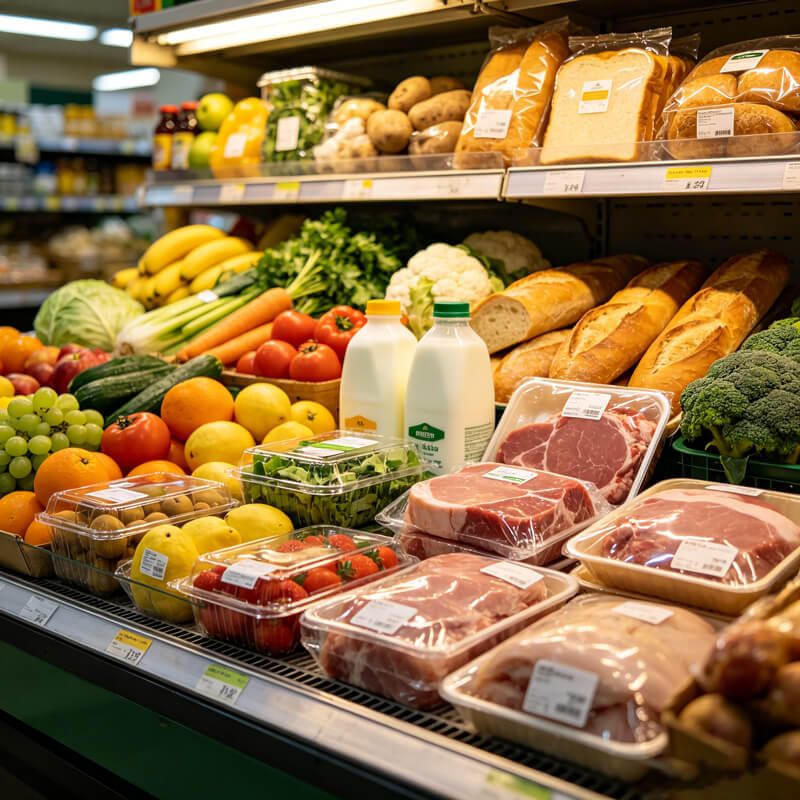
 PrevSoil Nutrient Analyzer: The Accurate Choice for Universities and Research Institutions
 NextChoose a laboratory-grade water quality analyzer for electroplating wastewater monitoring to ensure accurate data and prevent exceedances
Recent Articles
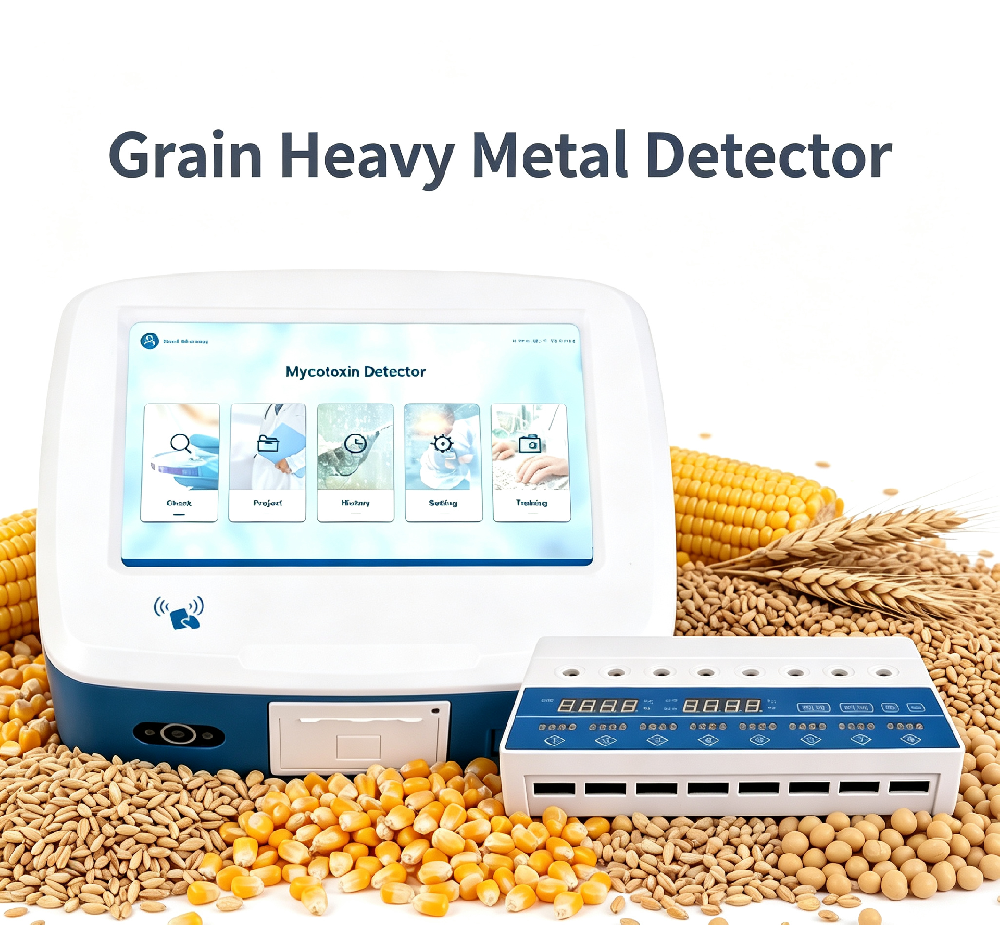
6-Channel Grain Heavy Metal Detector LD-LS2: Fast, Accurate Lead and Cadmium Testing for Global Food Safety
Fruit and Vegetable Respiration Analyzer: Optimize Post-Harvest Freshness Retention for Horticultural Products
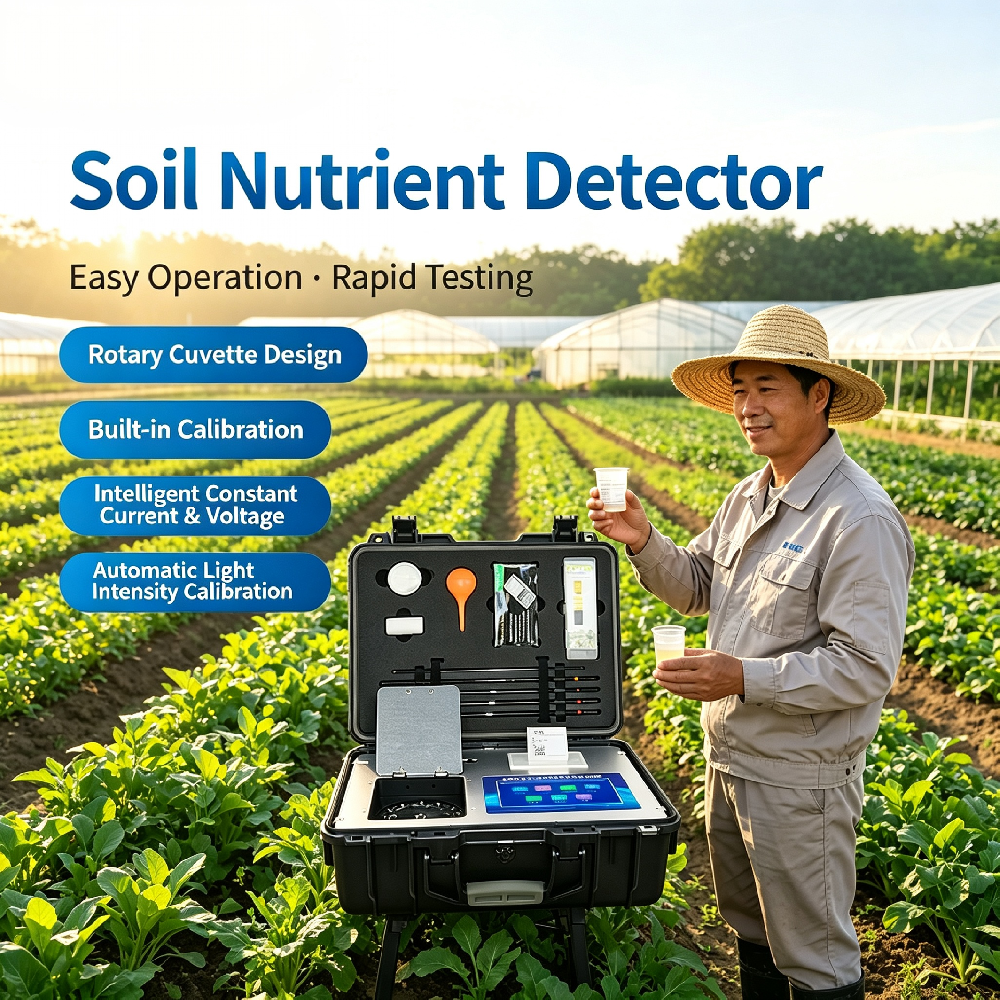
LD-TYB Soil Nitrogen Phosphorus Potassium Detector: High-Precision Portable Nutrient Analysis for Agricultural and Fertilizer Operations