

Environmental & geochemical
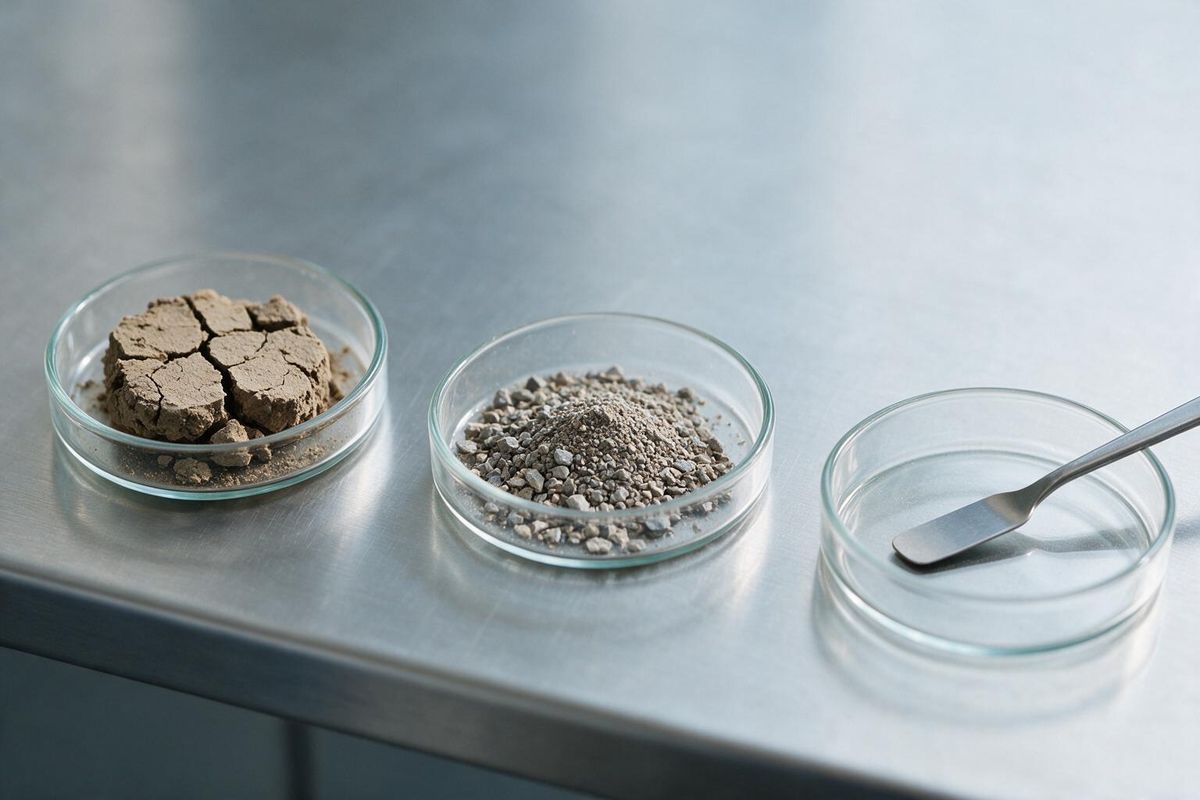
Soil, sediment, rock and slag prepared for heavy-metal analysis. Agate or zirconia jars keep iron and trace-element contamination out of the result; four jars per run keep batch conditions identical.
Planetary ball mills, high-throughput tissue grinders and high-pressure homogenizers for soil, biological and liquid samples. Tell us what you are preparing — we match the model, jar material and accessories, then ship from our own plant in Shandong.
Solid, biological or liquid — each sample type has a different bottleneck. Pick the line that matches your workflow; each section lists the models, the throughput and the consumables you will need.
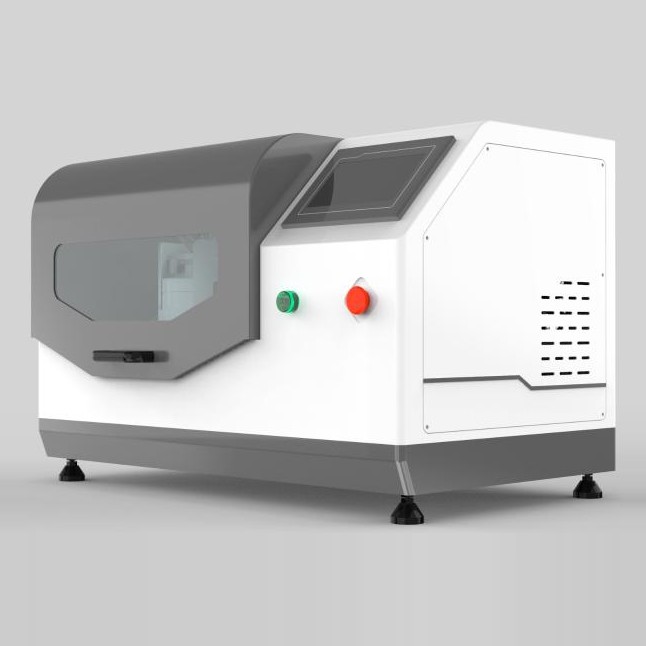
Dry or wet grinding with impact, shear and friction. Four jars per run, final fineness down to 0.1 µm, jar materials selected to avoid contamination.
See the LD-QM series →Bead-beating disruption in 2 mL tubes. Up to 192 samples per run, 34 mm vertical stroke, programmable time and frequency; a portable 3D-shaking unit is also available.
See the LD-Y series →Up to 1800 bar through a ceramic plunger and homogenizing valve. 5–15 L/h, minimum sample 40 mL, single or two-stage modules, CIP and SIP capable.
See the LD-HP series →
Crushing, grinding, mixing and homogenizing in one unit. The jars rotate around the main disc while turning in the opposite direction, so impact, shear and friction act on the sample at the same time. Built for soil and sediment preparation, geological and metallurgical samples, ceramics, pigments and battery materials — dry or wet.
| Model | Jar capacity per run |
|---|---|
| LD-QM02L | 4 × 50 mL |
| LD-QM04L | 4 × 50–100 mL |
| LD-QM1L | 4 × 50–250 mL |
| LD-QM2L | 4 × 100–500 mL |
| LD-QM4L | 4 × 500–1000 mL |
| LD-QM8L | 4 × 1000–2000 mL |
Final fineness and grinding time depend on sample hardness, jar and ball material, and ball-to-sample ratio. We quote jar and ball sets with the machine.
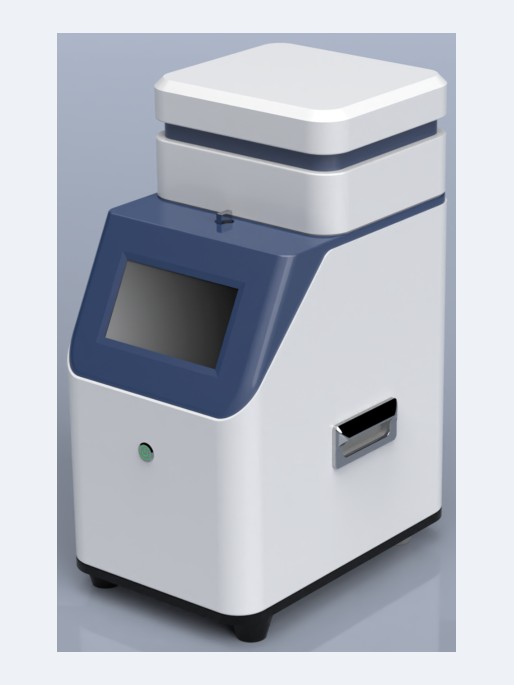
Vertical bead-beating for animal and plant tissue, seeds, cells and microorganisms — the step before DNA/RNA extraction, protein analysis and microbial testing. Samples stay in closed tubes, so cross-contamination stays low and handling time per sample drops sharply compared with manual grinding.
| Model | Standard capacity | Optional adapters |
|---|---|---|
| LD-Y24 | 24 × 2 mL | 5–15 mL, 25–50 mL |
| LD-Y48 | 48 × 2 mL | 12 × 5–15 mL, 2 × 25–50 mL |
| LD-Y96 | 96 × 2 mL | 5–15 mL, 25–50 mL |
| LD-Y192 | 192 × 2 mL | 5–15 mL, 25–50 mL |
Adapter and bead combinations are quoted against your tube type and sample matrix. Ask us for a suggested starting protocol.
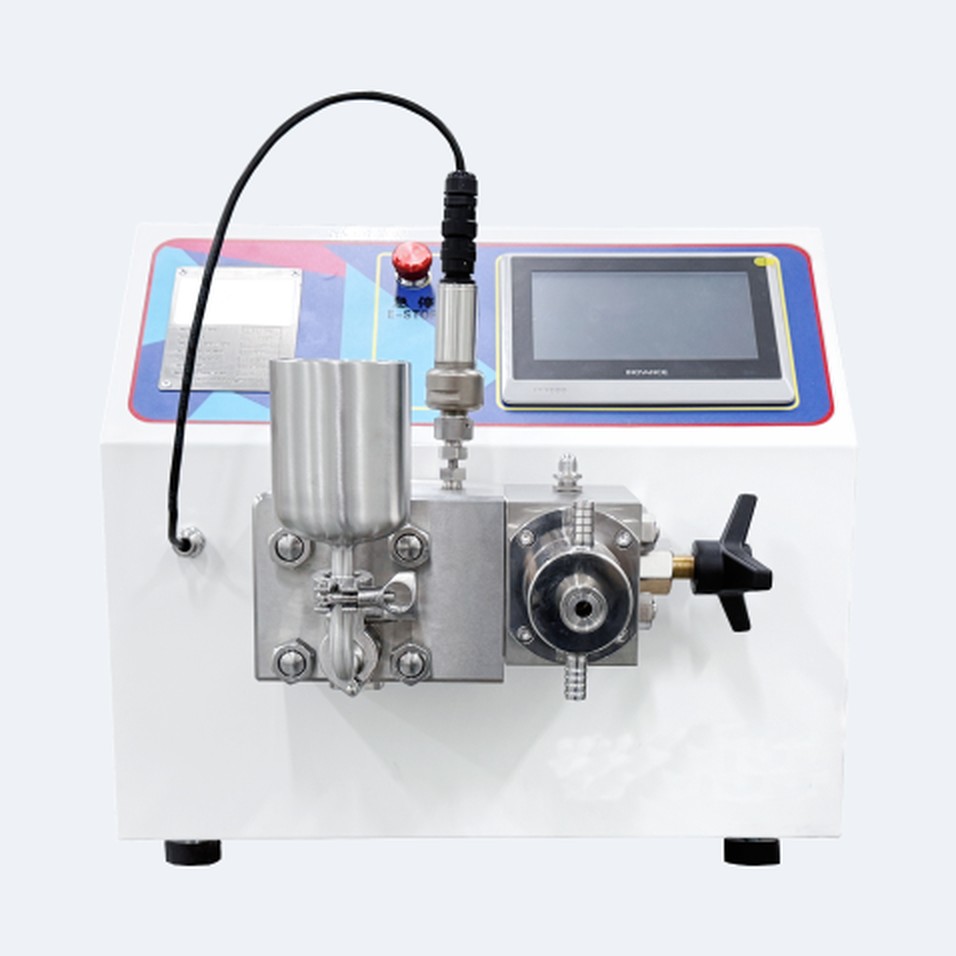
The sample is forced through a narrow homogenizing valve at high pressure; cavitation, impact and shear reduce droplets and cell clusters to a stable, fine dispersion. Used for nano-emulsions, liposomes and nano-suspensions, cell disruption, and beverage or cosmetic formulations — built to the QB/T 1700-2006 reference standard for high-pressure homogenizing pumps.
Reported results with this series: emulsion droplet size ≤100 nm and cell disruption rate ≥95%. Actual results depend on formulation, pressure and pass count — we will advise on a trial protocol.
Same principle — reduce particle or droplet size before analysis — but different mechanics, throughput and sample volume. Use this table to shortlist, then send us your sample details.
| Specification | Planetary ball mill LD-QM series |
Tissue grinder LD-Y series |
High-pressure homogenizer LD-HP series |
|---|---|---|---|
| Best for | Soil, sediment, ore, ceramics, powders, battery materials | Animal and plant tissue, cells, seeds, microorganisms | Emulsions, liposomes, nano-suspensions, cell disruption |
| Working principle | Impact, shear and friction between grinding balls | Vertical bead beating, 34 mm stroke | Cavitation, impact and shear in a high-pressure valve |
| Typical throughput | 4 jars per run, 50 mL–2 L each | 24–192 × 2 mL tubes per run | 5–15 L/h continuous |
| Result | Down to 0.1 µm | Homogenate ready for extraction | Droplets ≤100 nm; disruption ≥95% |
| Minimum sample | Depends on jar size (from 50 mL) | 0.2 mL tube | ≤40 mL |
| Dry / wet | Both | Wet (buffer) or dry | Liquid only |
| Control | 7" touchscreen, wireless remote (QM1L+) | 7" touchscreen, 10 programs | 7" touchscreen, live pressure curve |
| Continuous operation | Up to 90 h at full load | Cyclic runs, 1–9999 s each | Continuous flow |
| Power | 220 V ±10%, 50/60 Hz, single phase | 220 V / 50 Hz, ≤150 W | 220 V / 50 Hz, 1.5 kW |
| Footprint / weight | 780 × 497 × 546 mm, 100 kg (QM2L) | 260 × 380 × 550 mm, ≤45 kg | 720 × 530 × 465 mm, 130 kg + chiller 31 kg |
Values shown are for the reference model of each series. Model-specific figures are confirmed in the quotation and datasheet.
These three machines cover the front half of most analytical workflows. Getting this step right determines how reproducible everything downstream will be.
Solid, tissue or liquid decides the machine; the analyte decides the jar or valve material.
Jars, tubes or the feed cup are filled to the specified ratio, then closed — no open grinding.
Speed, time and cycles are set on the touchscreen; programs are stored for repeat runs.
Powder, homogenate or emulsion goes on to extraction, spectroscopy, chromatography or particle sizing.
Contamination control, sample loss and repeatability are the three things that decide whether a preparation method survives accreditation. Each line is configured around one of them.
Soil, sediment, rock and slag prepared for heavy-metal analysis. Agate or zirconia jars keep iron and trace-element contamination out of the result; four jars per run keep batch conditions identical.
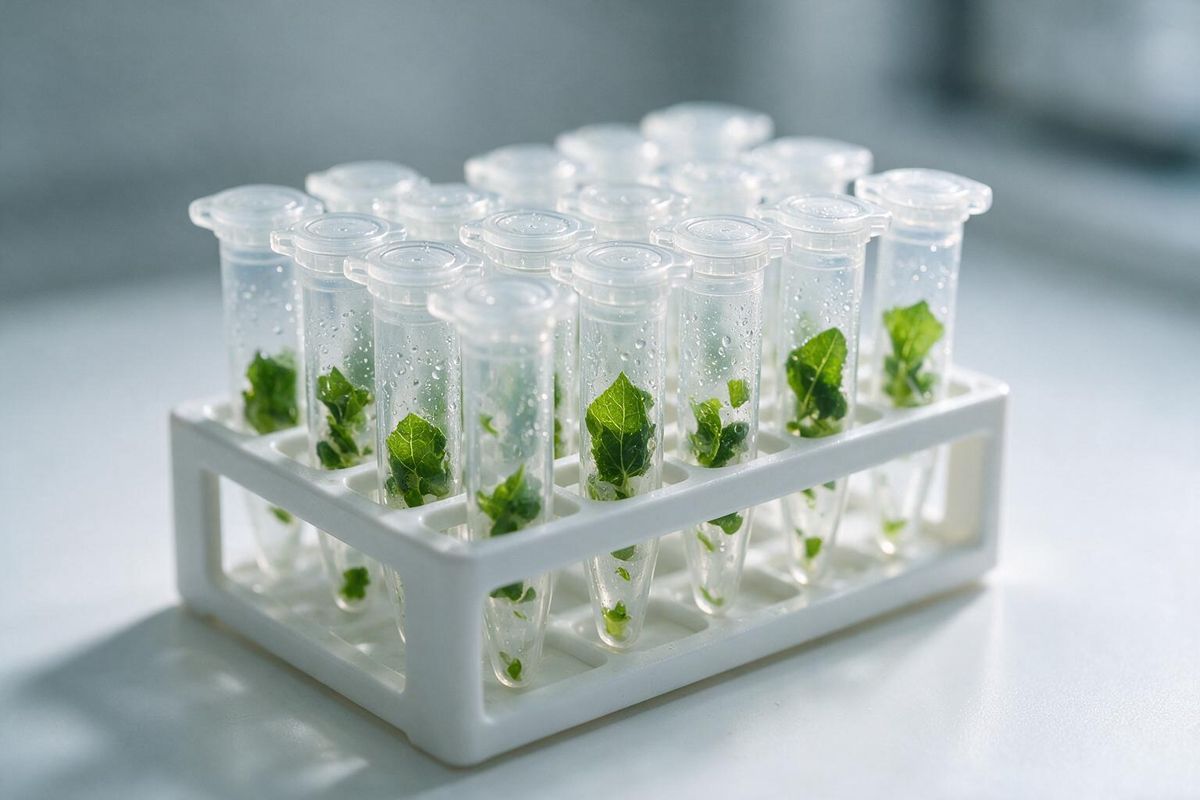
Leaf, seed, liver, muscle and cell pellets disrupted in closed 2 mL tubes for DNA/RNA and protein workflows. Single-use or autoclavable tubes limit carry-over between samples.
Beverage and dairy emulsions, nano-emulsions for actives, liposomes and cell disruption. Two-stage valves and jacket temperature control protect heat-sensitive formulations.
Hardness, wear rate and acid resistance vary widely between jar materials. Choosing the wrong one either contaminates the sample or wears the jar out in weeks. This is the list we use when quoting.
Jars and balls are quoted together with the machine; replacement jars, balls, seals and homogenizing valves are available separately. Vacuum jars are available for air-sensitive samples.
Instrument supply is only half the job. These are the commitments we work to for laboratory orders.
Start from the physical state of the sample. Dry solids (soil, ore, ceramics, powders) go to the planetary ball mill. Soft biological material (tissue, leaves, seeds, cells) goes to the tissue grinder, where bead beating in closed tubes is faster and cleaner than manual work. Liquids and suspensions that need droplet or particle reduction — emulsions, liposomes, cell suspensions — go to the high-pressure homogenizer. If your workflow has two of these steps, tell us and we will quote a matched pair.
Match the material to the analyte and the matrix. Agate is the default for soil and geological samples where trace iron matters; zirconia suits metal powders and battery materials; alumina is used for ceramic glazes; tungsten carbide and silicon nitride cover hard alloys and hard ceramics; PTFE for strong acids and bases; stainless steel where trace metal contamination is not critical. Jars must be run within their speed limits — PTFE, for example, at 200 rpm or below.
The high-pressure homogenizer handles batches down to about 40 mL with low hold-up. The tissue grinder works from 0.2 mL tubes, so a few milligrams of tissue is enough. The ball mill is limited by jar size and ball charge: a 50 mL jar needs enough material to fill the grinding zone effectively, so very small samples are usually run in the smallest jar available.
Yes. The ball mill is available with CN, EU, US or UK power ports on 220 V ±10%, 50/60 Hz single phase. The tissue grinder and homogenizer are supplied for 220 V / 50 Hz; confirm your site voltage when ordering so the correct configuration is built.
Standard configurations are typically ready about 20 days after order confirmation, plus transit time. Consumables — jars, balls, seals, homogenizing valves — are stocked and quoted separately so a worn part does not stop your lab. Warranty is 12 months from acceptance.
Yes. Tell us the sample type, target fineness or droplet size, and the analysis that follows. We will suggest a starting point for speed, time, ball-to-sample ratio or homogenizing pressure and pass count, based on comparable applications. Final parameters are confirmed by your own trial runs.
Send the sample type, typical batch size and the analysis you are preparing for. You will get a model recommendation, the jar or valve configuration, and a price — usually within one business day.
Fields marked * are required.