How to Efficiently Use a Rice Processing Precision Tester? Tips for Using a Rice Processing Precision Tester
Rice processing precision refers to the strict control of rice quality and appearance during production and processing. It is not only related to the taste and nutritional value of the grain but also directly impacts people's daily lives. The rice processing precision tester is an advanced instrument that plays a significant role in modern agriculture and grain processing. Efficient use of this tester requires following specific operational steps and techniques. Below are some general steps for using a rice processing precision tester and specific tips for using the LD brand tester.

I. General Steps for Use
Sample Preparation:
Randomly collect a representative sample from the batch of rice to be tested.
Clean the sample to remove impurities such as stones, debris, or other non-grain materials.
Power On and Preheat:
Turn on the device according to the tester's manual and allow it to preheat, ensuring it reaches its optimal working condition.
Calibrate the Instrument:
Some testers may require zero-point calibration or calibration using a standard sample to ensure measurement accuracy.
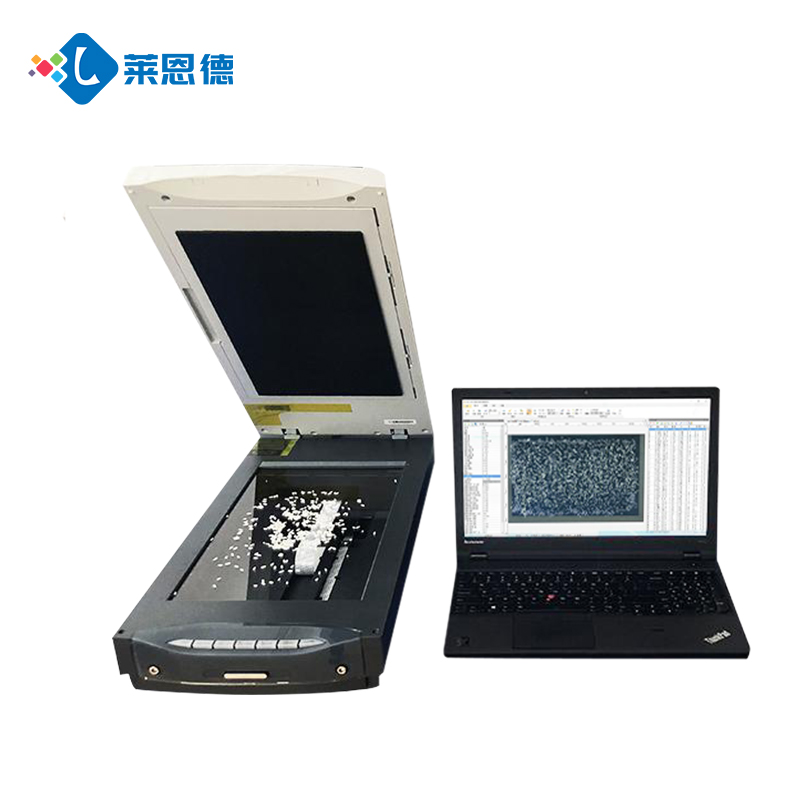
Place the Sample:
Place the prepared sample in the designated testing area as instructed by the tester.
Ensure the sample is correctly positioned, avoiding uneven distribution or exceeding the testing area.
Select Detection Mode:
Choose the appropriate detection mode based on requirements. Some instruments may offer preset standard programs.
Initiate Testing:
Press the start button or initiate the testing process via the corresponding operation interface.
Follow the instructions in the manual to ensure the process proceeds smoothly.
Read and Record Results:
Once testing is complete, read and record the results.
Perform further analysis or processing of the data as needed.
II. Tips for Using the LD Brand Rice Processing Precision Tester
Mind Environmental Conditions:
Ensure the instrument operates within the recommended environmental conditions (e.g., temperature, humidity) to prevent external factors from affecting results.
Perform Regular Maintenance:
Calibrate and maintain the instrument regularly to ensure its long-term reliability.
Clean the lens of any smudges and adjust the focus if necessary to guarantee image clarity.
Periodically verify software accuracy and update or reinstall it if required.
Avoid Vibration and Impact:
Prevent vibration or knocking of the instrument during testing to avoid compromising result accuracy.
Operate Correctly:
Carefully read the user manual before use to understand the instrument's working principles, operating methods, and maintenance requirements.
Strictly follow the instructions in the manual to avoid incorrect operation that could damage the instrument or lead to inaccurate results.
Data Recording and Analysis:
Record relevant data after each test for subsequent analysis and reference.
Data analysis helps understand trends in rice processing precision, providing a basis for optimizing processing techniques.
In summary, efficient use of a rice processing precision tester involves adhering to specific operational steps and techniques. By using and maintaining the instrument correctly, you can ensure the accuracy and reliability of test results, providing dependable data support for guaranteeing rice quality.
 PrevWhat is an intelligent seed testing analyzer used for?
 NextWhich brand of soil aggregate analyzer is reliable? Ranking of Industry-Recognized High-Quality Brands
Recent Articles
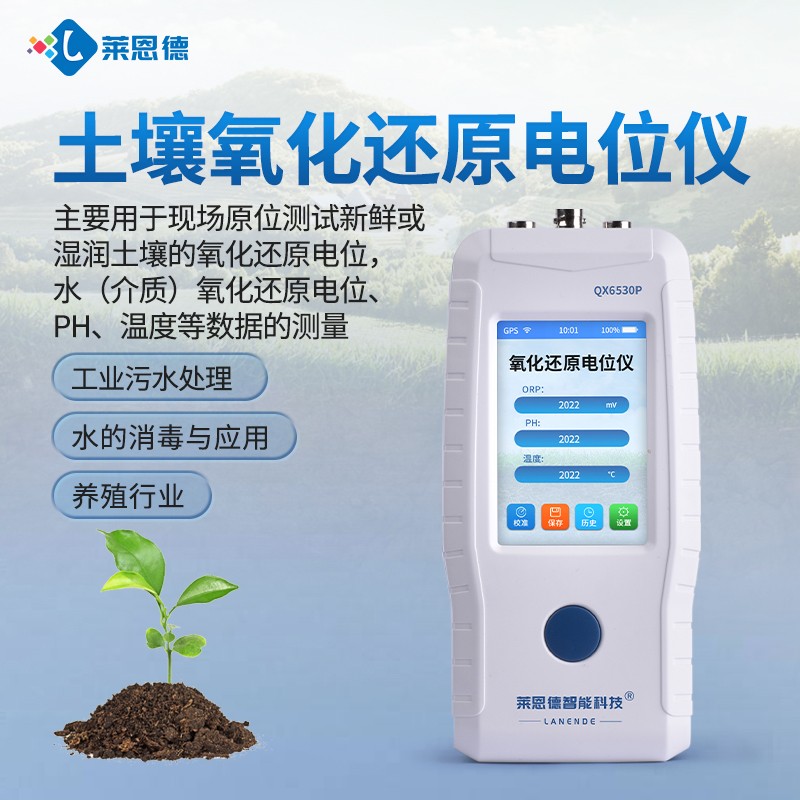
LD-QX6530P Soil Redox Potential Meter: High-Precision In-situ Testing for Soil Environmental Analysis
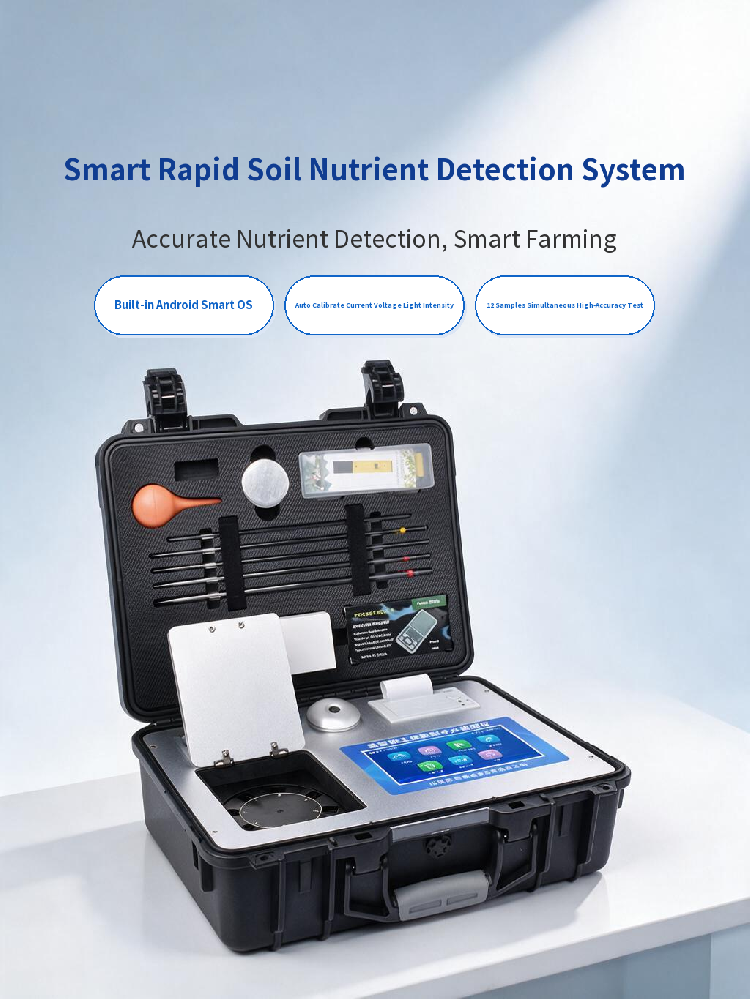
LD-GT60 Soil Nutrient Analysis System: All-In-One Portable Mobile Lab for Precision Agricultural & Environmental Testing
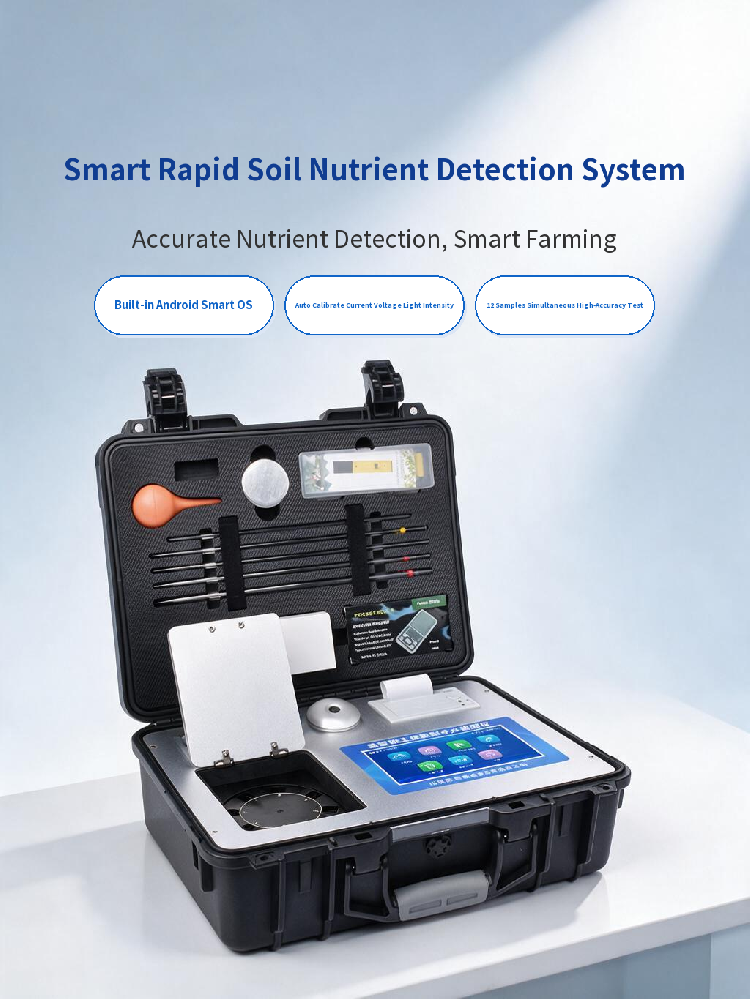
LD-GT60 Soil Nutrient Analysis System: All-In-One Portable Mobile Lab for Precision Agricultural & Environmental Testing