What is an intelligent seed testing analyzer used for?
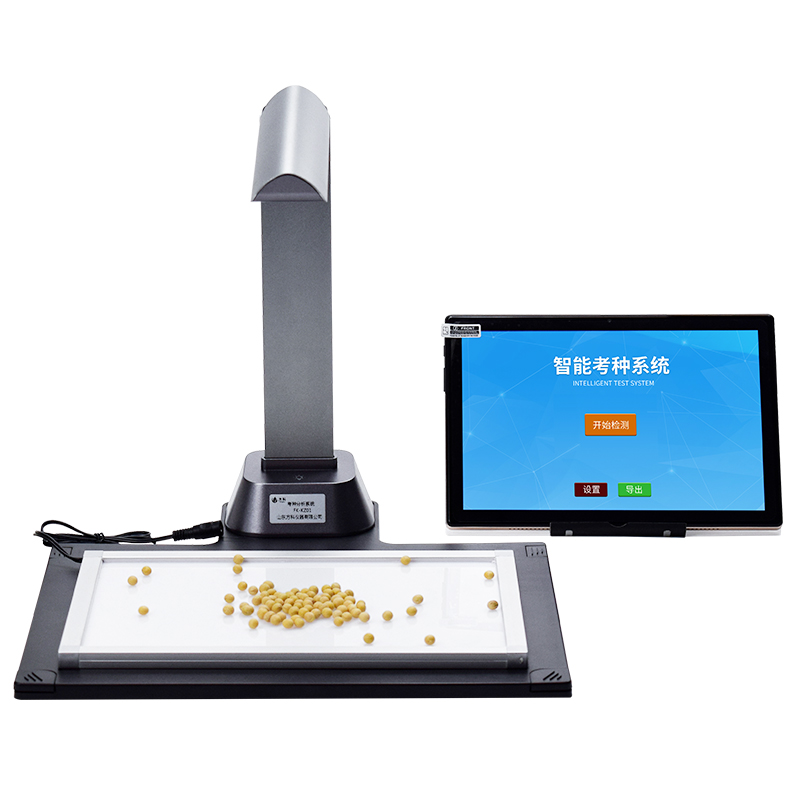
With the continuous growth of the global population, food security has become increasingly prominent, and the methods of crop cultivation urgently need transformation. The intelligent seed testing analyzer is a modern agricultural instrument that integrates various sensing technologies and image processing technologies. It is primarily used for the automated analysis of seed quality and is one of the commonly used instruments in modern breeding, seed testing, and seed research and development. Below is a detailed introduction to the functions of the intelligent seed testing analyzer and the reasons for using it:

I. Functions of the Intelligent Seed Testing Analyzer
Seed Counting:
By capturing images with a high-resolution camera, the intelligent seed testing analyzer can quickly and accurately count seeds. It employs sophisticated image processing and recognition algorithms to automatically identify and segment individual seed images, thereby calculating the total number of seeds. This eliminates errors caused by human factors.
Seed Morphology Analysis:
In addition to counting, the intelligent seed testing analyzer can perform detailed morphological analysis of seeds. It automatically measures key parameters such as seed area, perimeter, length, and width, and calculates morphological indicators like the length-to-width ratio based on these data. These indicators provide an intuitive reflection of seed morphological characteristics and developmental status, offering valuable reference for breeding work.
Multi-Parameter Measurement:
The intelligent seed testing analyzer can measure various parameters in real-time, including grain count, grain length, grain width, perimeter, area, and weight. This provides comprehensive data support for agricultural research and breeding efforts.
II. Reasons for Using the Intelligent Seed Testing Analyzer
Improved Testing Efficiency and Accuracy:
The intelligent seed testing analyzer significantly enhances the efficiency and accuracy of seed testing through automation and intelligent processes. It can complete the testing and analysis of large quantities of seeds in a short time, saving substantial time and labor costs for agricultural research and breeding work.
Reduction of Human Error:
Traditional seed testing methods are often subject to human influence, leading to significant errors. In contrast, the intelligent seed testing analyzer utilizes advanced image processing technologies and algorithms to automatically identify and analyze seed images, minimizing interference from human factors and improving testing accuracy.
Development of Intelligent Testing Methods:
The application of the intelligent seed testing analyzer promotes the development of intelligent seed testing methods. It not only automates and streamlines the seed testing process but also provides robust data support for agricultural genetic breeding research, driving advancements in agricultural science and technology.
Meeting the Needs of Modern Agricultural Production:
In modern agricultural production, there are increasingly higher demands for seed quality and purity. The intelligent seed testing analyzer ensures reliable seed quality by accurately measuring and analyzing multiple seed parameters. This contributes to enhancing crop growth and yield levels.
In summary, the intelligent seed testing analyzer plays a crucial role in agricultural research and breeding work. Its use not only improves the efficiency and accuracy of seed testing but also reduces human error, providing strong support for agricultural production.
 PrevFood safety inspection is an important means of market supervision
 NextHow to Efficiently Use a Rice Processing Precision Tester? Tips for Using a Rice Processing Precision Tester
Recent Articles
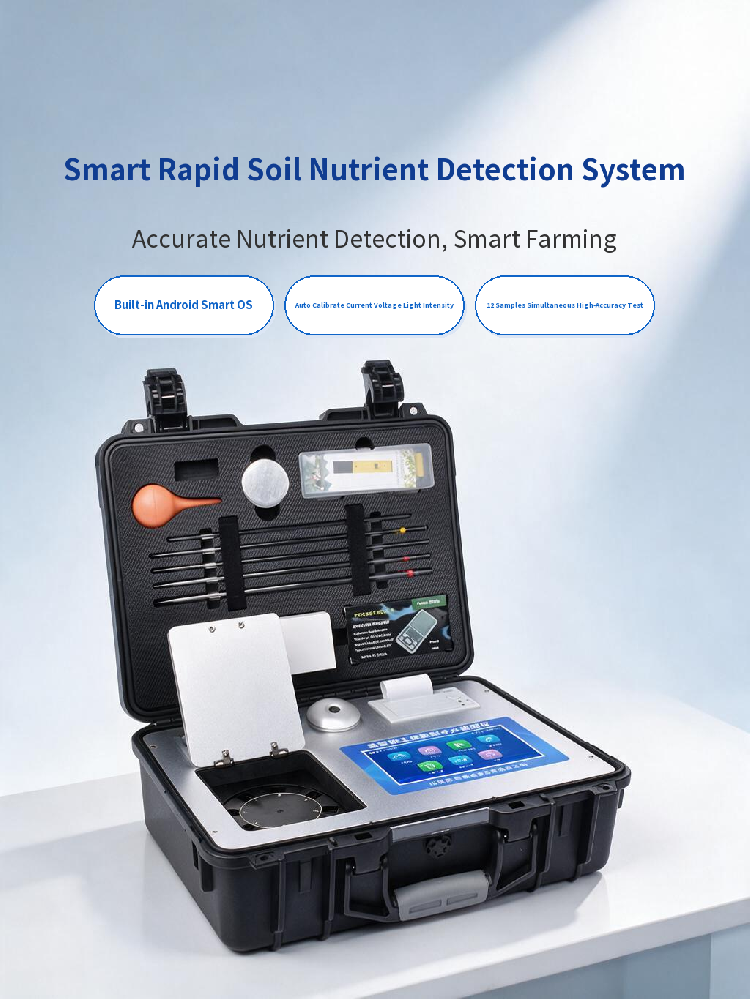
LD-GT60 Soil Nutrient Analysis System: All-In-One Portable Mobile Lab for Precision Agricultural & Environmental Testing
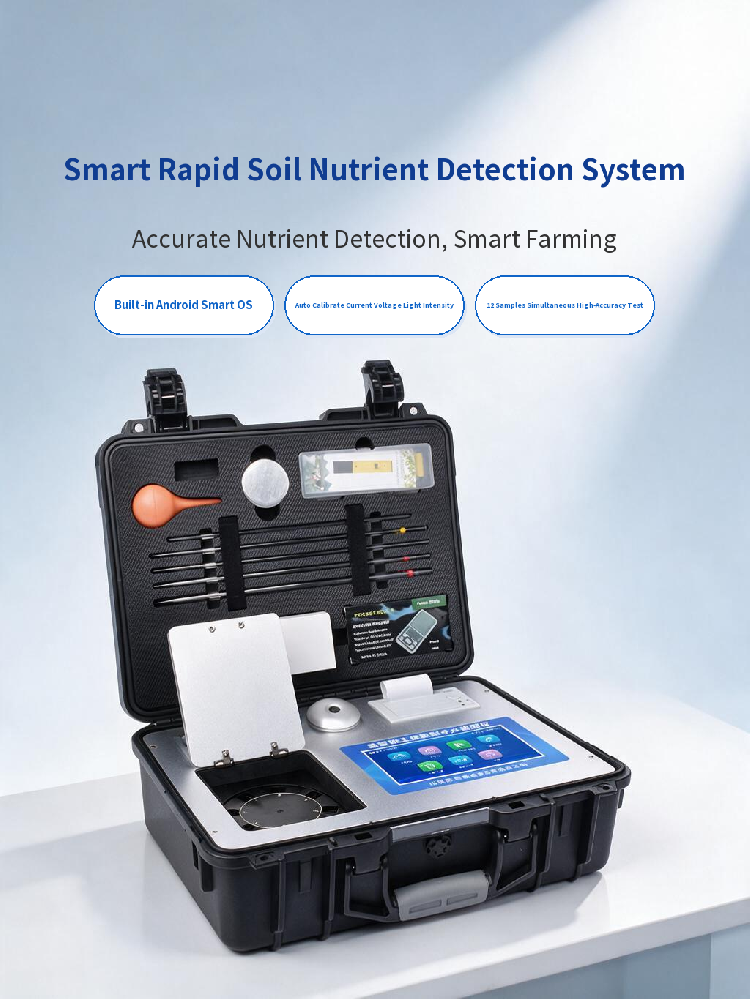
LD-GT60 Soil Nutrient Analysis System: All-In-One Portable Mobile Lab for Precision Agricultural & Environmental Testing
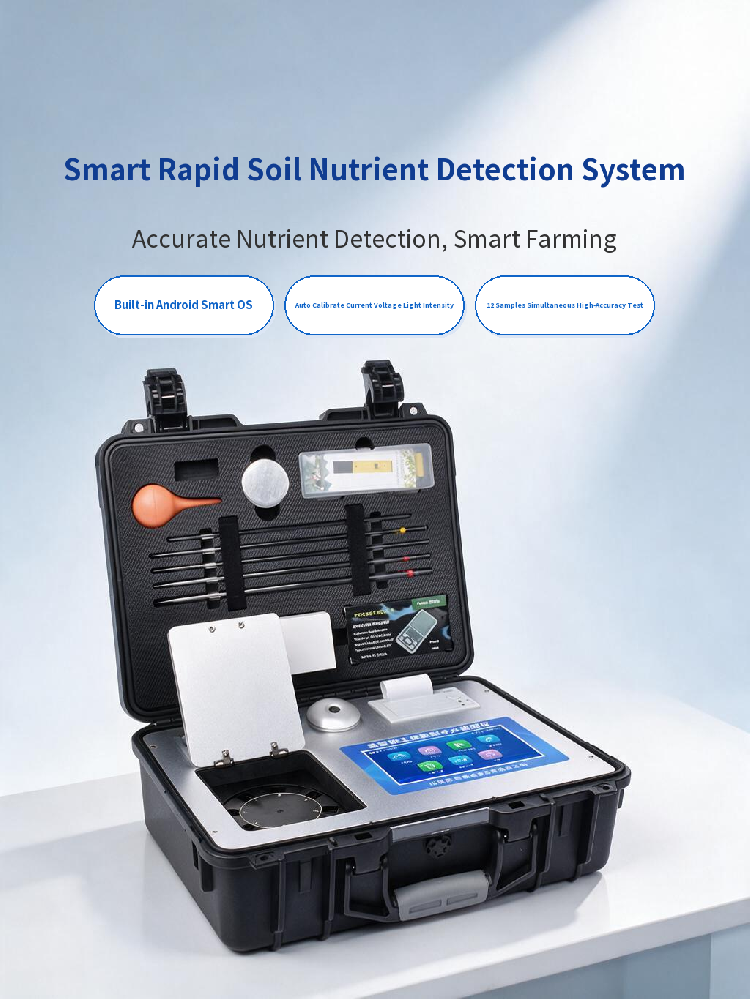
LD-GT7 Soil Nutrient Analysis System: All-In-One Portable Lab for Precision Agricultural & Environmental Testing