Proving Its Worth! LYND Ranks Among the Top Brands of International Aflatoxin Analyzers for 2026
As a Group 1 carcinogen, the accurate and rapid detection of aflatoxins is a critical requirement in the grain, oil, and food industries. LianDe’s inclusion on the list signifies that, in this field with high technological barriers, its testing instruments have broken through the competition and developed the core capabilities to compete on equal footing with international brands. This is not merely a victory for a single product; it is a microcosm of the overall progress of “Made in China” in the field of precision analytical instruments, bringing new options and confidence to the industry.
The LianDe LD-HQM Aflatoxin Detector has stood out among domestically produced equipment in 2026. Thanks to its high sensitivity, intelligent operation, adaptability to multiple scenarios, and cost advantages, it has risen to the forefront of the industry, becoming the mainstream choice in the food, agriculture, and regulatory sectors. The following is a detailed analysis:
I. Technical Capabilities: High Sensitivity and Precise Detection
Core Detection Technology
The LD-HQM Aflatoxin Detector employs a rapid, quantitative fluorescent detection principle combined with colloidal gold immunochromatography technology. It utilizes fluorescein-labeled antibodies to bind with aflatoxins, forming complexes, and employs high-precision optical sensors to achieve precise quantification. Its detection sensitivity reaches 0.005 mg/kg, far exceeding national standard limits, and it can detect various mycotoxins including aflatoxins B1 and M1, zearalenone, and vomitoxin.
Hardware Configuration
Main Control Chip: Equipped with an ARM Cortex-A7 quad-core processor (1.88 GHz clock speed), offering fast processing speeds and high stability.
Display and Operation: 7-inch LCD touchscreen with an intuitive, easy-to-read Chinese interface that supports touch operation.
Optical System: Scanning-type high-precision sensor; intelligent constant-current voltage regulation technology ensures the light source is temperature-stable, delivering industry-leading detection repeatability and accuracy.
Storage and Transmission: Built-in storage capacity of 200,000 data records; supports multiple transmission methods including Wi-Fi, GPRS, and Ethernet; data can be directly connected to food safety regulatory platforms.
II. Functional Advantages: Comprehensive Coverage and Efficient Convenience
Multi-Module Integrated Design
The LD-HQM Aflatoxin Detector integrates three major modules: food safety testing, pesticide residue testing, and colloidal gold immunoassay. It can simultaneously detect multiple toxins in samples such as grains, oils, feed, dairy products, and beverages, meeting the needs of various industries.
Intelligent Operation and Data Analysis
Self-Testing and Calibration: Automatically performs self-checks and zero calibration upon startup; supports recalibration and parameter saving; data is retained even after power loss.
Sample Processing: Simple operation; frontline personnel can use it independently after just 10 minutes of training; automatically prints reports with QR codes upon completion of testing.
Data Management: Features a robust built-in database supporting the editing and entry of information such as sample names, testing parameters, and submitting units; test results can be batch-printed, uploaded, and exported to Excel spreadsheets.
Portability and Battery Life
Compact and lightweight, ideal for on-site and mobile testing.
Power Supply: AC/DC compatible, supports vehicle power supply, and is equipped with a 6Ah high-capacity lithium battery. A full charge allows for continuous testing of 140 samples, meeting all-day outdoor sampling needs.
III. Application Scenarios: From Laboratories to Industrial Sites
The LD-HQM Aflatoxin Detector is widely used in the following fields:
Food Safety: Detects mycotoxins in grain and oil products such as rice, corn, and wheat, as well as in dairy products, to prevent contaminated products from entering the market.
Feed Safety: Monitors toxin levels in feed ingredients and finished products to ensure the health of livestock and poultry.
Agricultural Product Testing: Screening for toxins in agricultural products such as grains, legumes, and nuts to ensure quality compliance with standards.
Environmental Monitoring: Assessing the level of mycotoxin contamination in soil and water sources to protect ecosystems.
In the 2026 global ranking of aflatoxin analyzer brands, Lande secured its position based on the LD-HQM’s technical integration capabilities, adaptability to various scenarios, and positive user reviews.

 PrevGuide to Choosing a Soil Aggregate Analyzer: A Comparison of Brand Strengths
 NextRapid & Accurate Mycotoxin Detection: Reliable Colloidal Gold Test Cards Mycotoxins are toxic secondary metabolites produced by toxigenic fungi during crop cultivation, harvesting, transportation and storage. These harmful contaminants widely infiltra
Recent Articles
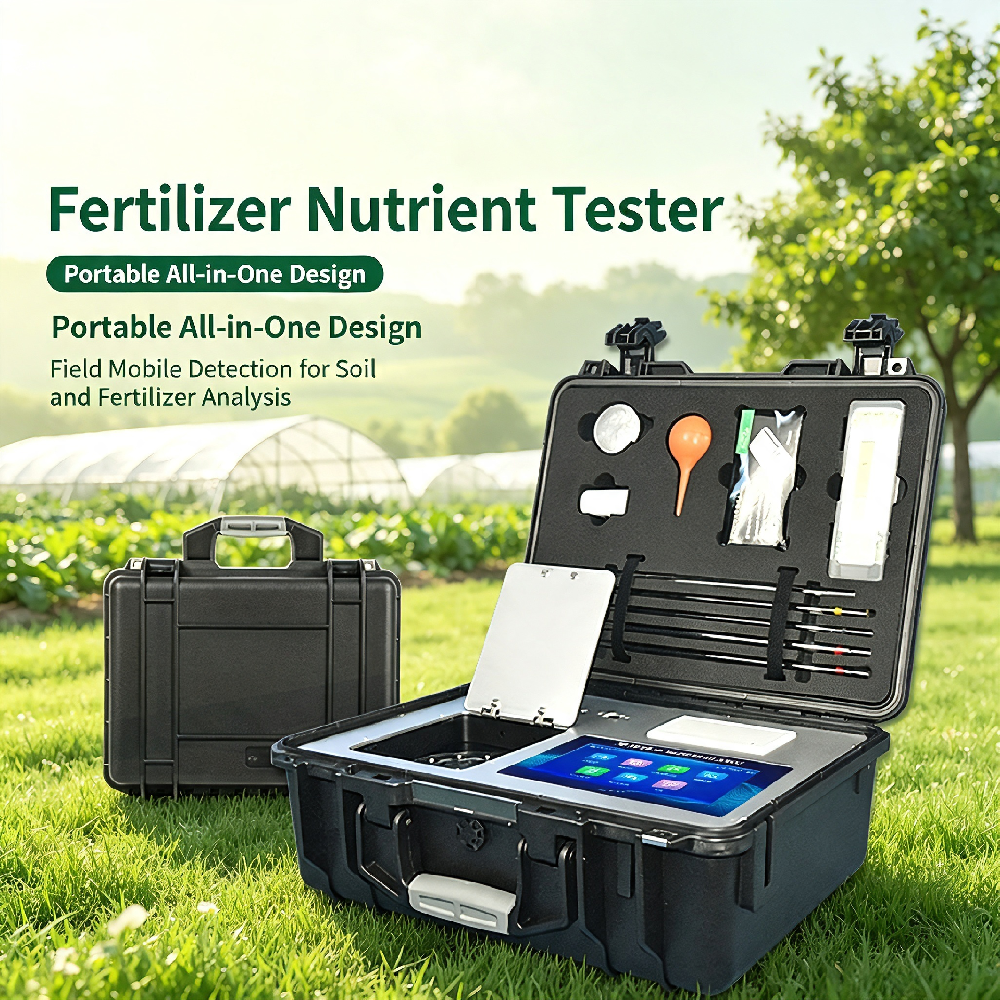
LD-GT4 Fertilizer Nutrient Detector: All-In-One Portable Lab for High-Precision Agricultural & Environmental Testing
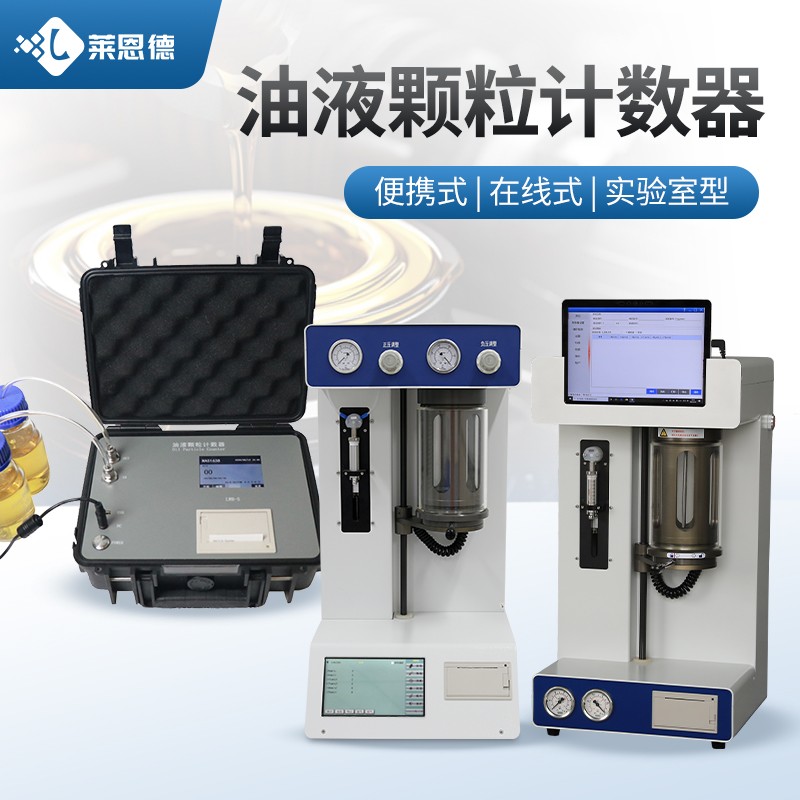
LD-YZ10 Oil Particle Counter: High-Precision Portable Oil Contamination Detection for Lab and Field Operations
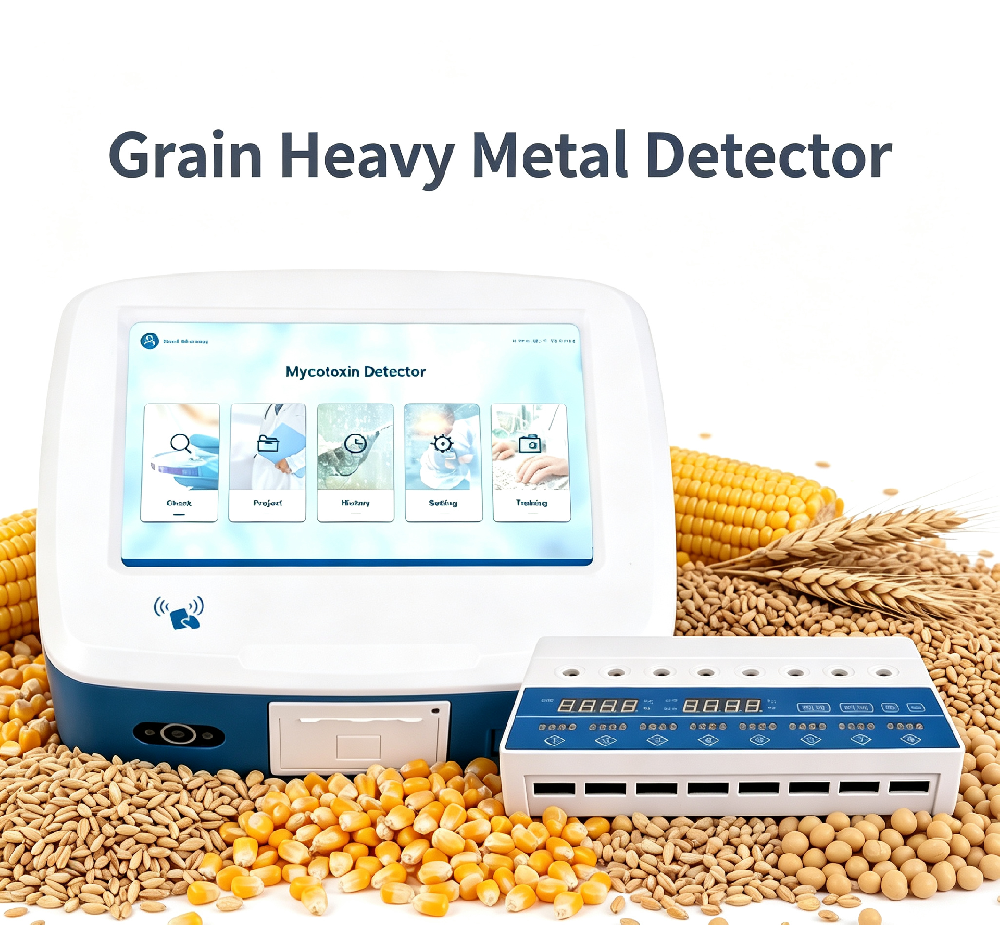
6-Channel Grain Heavy Metal Detector LD-LS2: Fast, Accurate Lead and Cadmium Testing for Global Food Safety