Which brand of agricultural soil aggregate analyzer is good? Brand rankings suitable for planting scenarios
In the process of agricultural modernization, soil quality monitoring and improvement have become core aspects of enhancing crop yields and ensuring food security. As a benchmark product in the field of soil structure analysis, the LANENDE Intelligent Technology LD-TL100 Soil Aggregate Structure Analyzer stands out among numerous brands with its precision, intelligence, and scenario adaptability, becoming an indispensable "soil health diagnostic instrument" in agricultural planting scenarios.
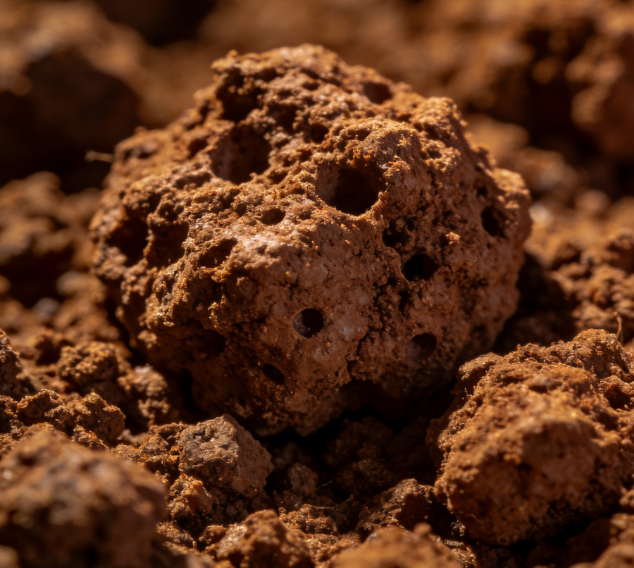
I. Technological Breakthrough: The "Microscope" for Precisely Analyzing Soil Structure
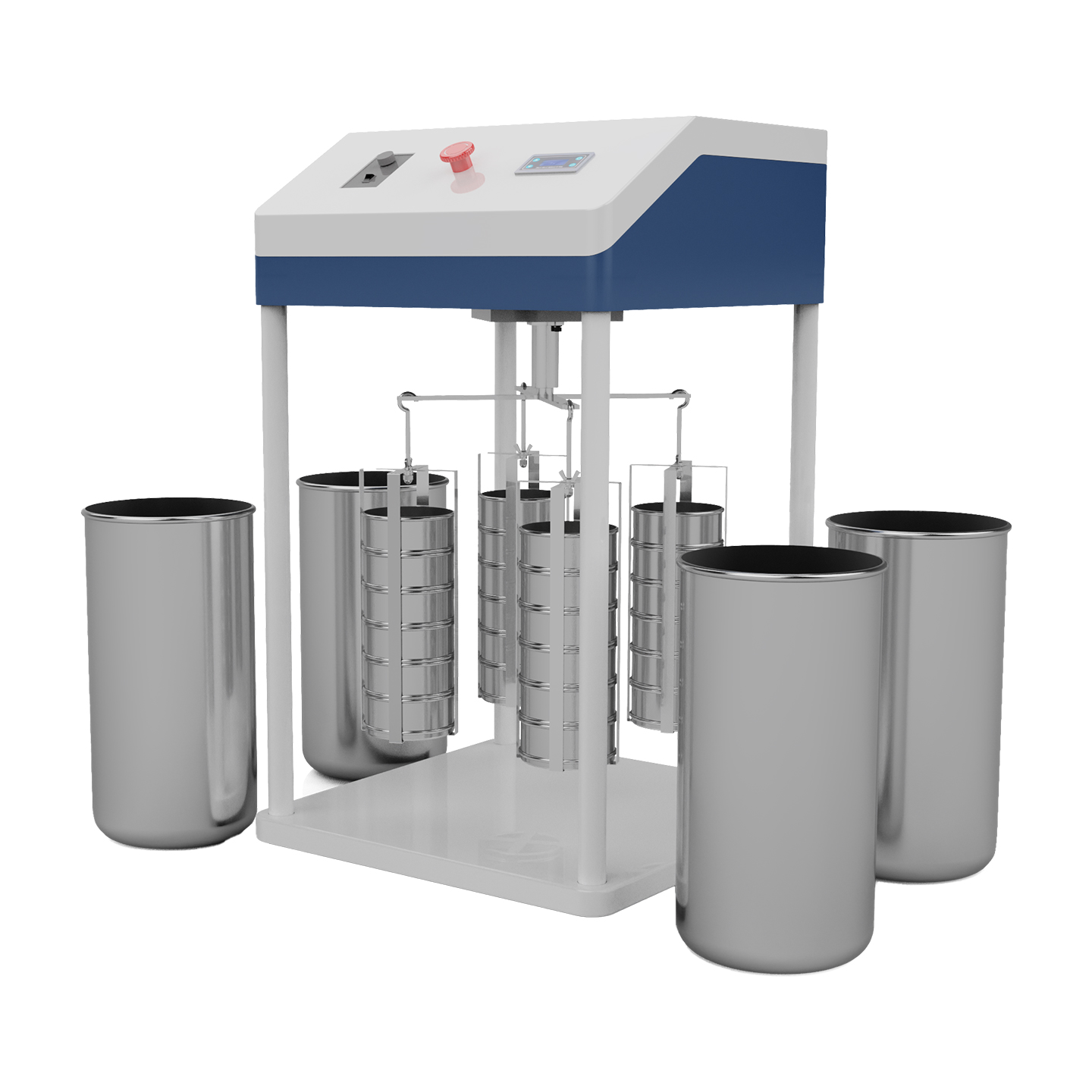
The core advantage of the LD-TL100 lies in its multi-dimensional, high-precision analytical capabilities. The instrument employs physical and mechanical separation technology, utilizing precise control of vibration frequency (0-56 times/minute) and amplitude (50mm), combined with six standard sieves (5mm, 3mm, 2mm, 1mm, 0.5mm, 0.25mm), to quickly separate soil aggregates and generate particle size distribution curves. Its innovative "dry and wet sieving" combined method not only evaluates mechanical stability through dry sieving but also determines water stability through wet sieving, comprehensively revealing the anti-erosion capacity and water-fertilizer retention performance of soil aggregates.
In tests conducted by a provincial agricultural quality inspection center in Shandong Province, the LD-TL100's analysis results for black soil cultivated layers showed a 98.7% match with laboratory microscopic imaging methods, with a single detection time of only 15 minutes—four times more efficient than traditional methods. This technological breakthrough provides a low-cost, high-efficiency solution for large-scale farmland quality monitoring.
II. Scenario Adaptation: Full-chain Coverage from Laboratory to Field
The design of the LD-TL100 fully considers the diverse needs of agricultural planting scenarios:
Portability and Durability: The main unit measures 500mm × 500mm × 890mm and weighs only 35kg. Paired with a stainless steel bucket and corrosion-resistant oscillation rack, it is suitable for multi-environment operations such as field, greenhouse, and mobile testing vehicles. During a black soil protection project in Northeast China, the instrument remained stable in low-temperature environments of -20°C, with its sealed design effectively preventing moisture and dust intrusion.
Intelligent Operation: The digital speed regulator and timer support precise timing from 0 to 9999 minutes. Dual-control emergency stop switches and a 10A leakage protection device ensure operational safety. Users can independently complete the entire process from sample preparation to data export after simple training, lowering the technical threshold.
Modular Expansion: The standard configuration includes four sets of sieves, but users can optionally equip 0.1mm micro-pore sieves or 10mm coarse-pore sieves according to their needs, adapting to the analysis of different soil textures from sandy to clay. In a plateau-specific agriculture project in Yunnan, the LD-TL100 successfully analyzed the unique structural characteristics of red soil aggregates through customized sieve combinations.
III. Application Value: The "Technology Engine" Driving Agricultural Green Transformation
The widespread application of the LD-TL100 is reshaping the decision-making logic of agricultural production:
Precision Fertilization Guidance: At a wheat planting base in Hebei, technicians discovered that long-term excessive fertilization in some plots led to aggregate disintegration by analyzing the water stability of soil aggregates. Fertilization plans were subsequently adjusted, reducing chemical fertilizer usage by 20% while increasing organic fertilizer application. This raised soil organic matter content by 1.2 percentage points and increased wheat yield per mu by 15%.
Optimization of Farming Methods: In an Inner Mongolia grassland restoration project, LD-TL100 detection showed that the soil macro-aggregate (>2mm) content in no-till mulching treatment areas was 34% higher than in traditional plowing areas, providing data support for promoting conservation tillage.
Pollution Control Assessment: In a heavy metal-contaminated farmland remediation project in the Yangtze River Delta, the instrument quantified the effectiveness of bioremediation technology by monitoring changes in aggregate structure, providing a scientific basis for government decision-making.
 PrevWhich brand of soil aggregate analyzer is reliable? Ranking of Industry-Recognized High-Quality Brands
 NextCharacteristics and Advantages of the Fluorescent Quantitative Mycotoxin Detector
Recent Articles
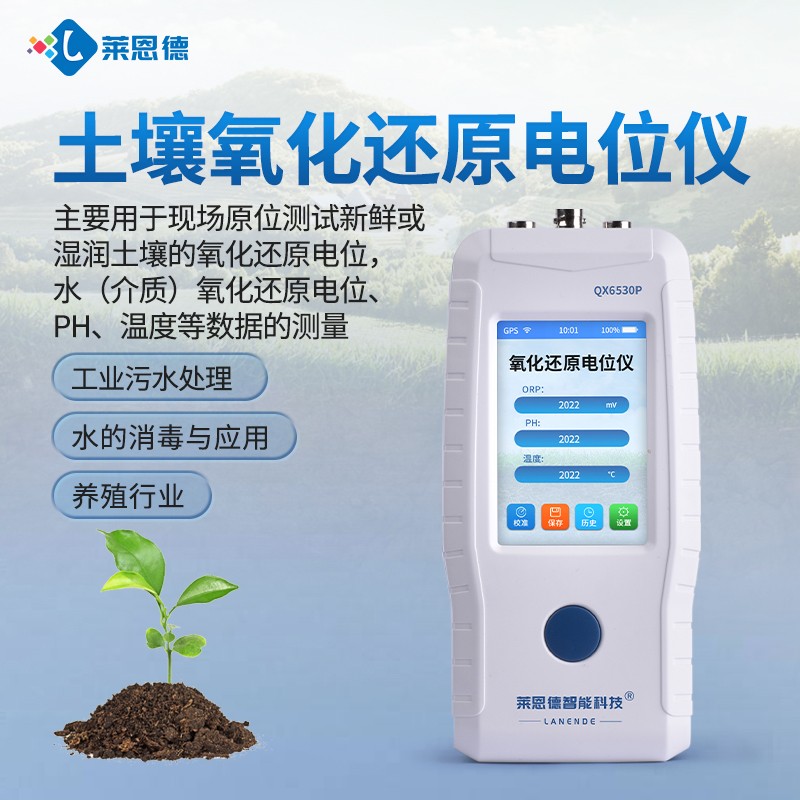
LD-QX6530P Soil Redox Potential Meter: High-Precision In-situ Testing for Soil Environmental Analysis
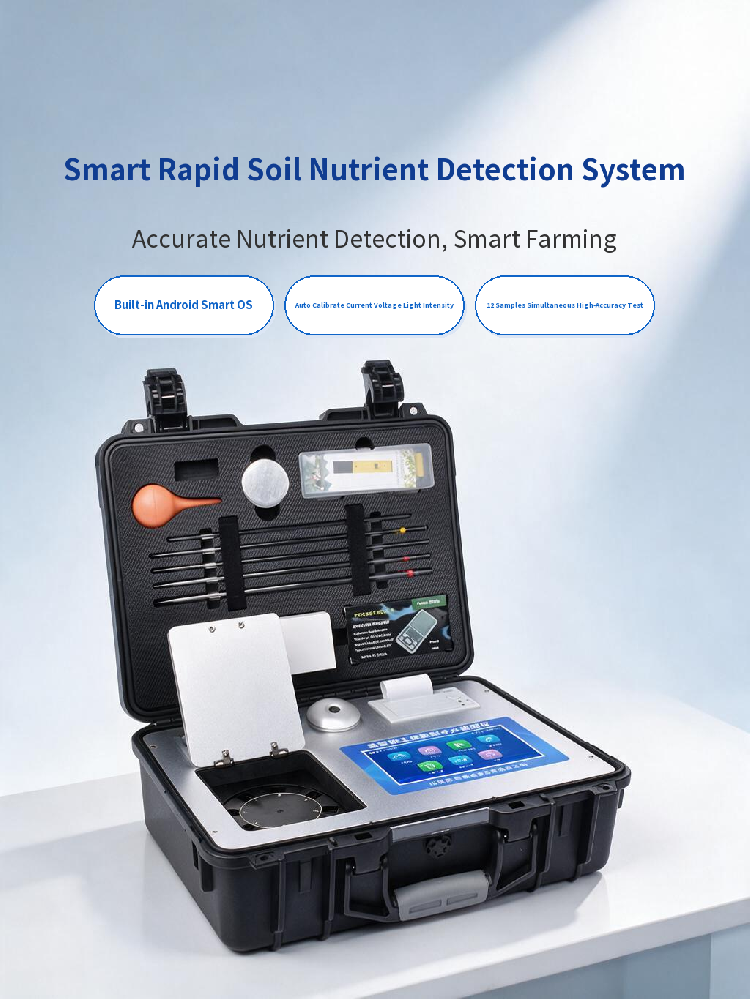
LD-GT60 Soil Nutrient Analysis System: All-In-One Portable Mobile Lab for Precision Agricultural & Environmental Testing
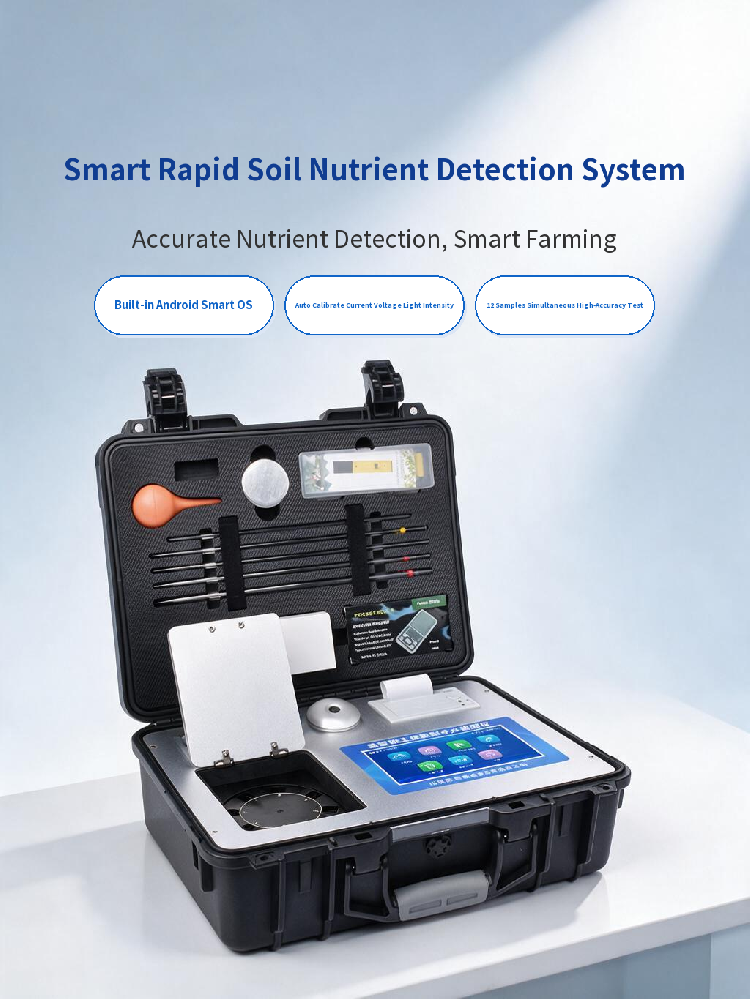
LD-GT60 Soil Nutrient Analysis System: All-In-One Portable Mobile Lab for Precision Agricultural & Environmental Testing